
Our Capabilities
Home/Our Capabilities
Casting Capabilities
| Production Capacity | : | 60tons / month |
| Casting Weight | : | 0.005 ~ 75kg, mainly small parts that are complex structure |
| Maximum Cast Size | : | 600*400*400mm |
| Materials | : | Stainless Steel, Carbon Steel, Alloy Steel, Duplex Stainless Steel, High Cr Steel etc |
| Casting Tolerance | : | VDG P690 D1 |
| Casting Roughness | : | Ra3.2 - 6.3 |
| Surface Treatment | : | Shot Blasting, Acid Pickling, Polishing etc |
| Material Testing | = | Spectrometer |
| Hardness Testing | = | Brinell Hardness ( HB) & Rockwell Hardness (HRC) |
| Mechanical Testing | = | Elongation, Yield Strength, Tensile Strength etc |
| Machining | : | Conventional and CNC machining services |
| Rapid Prototyping / Casting | : | 3D printed models |

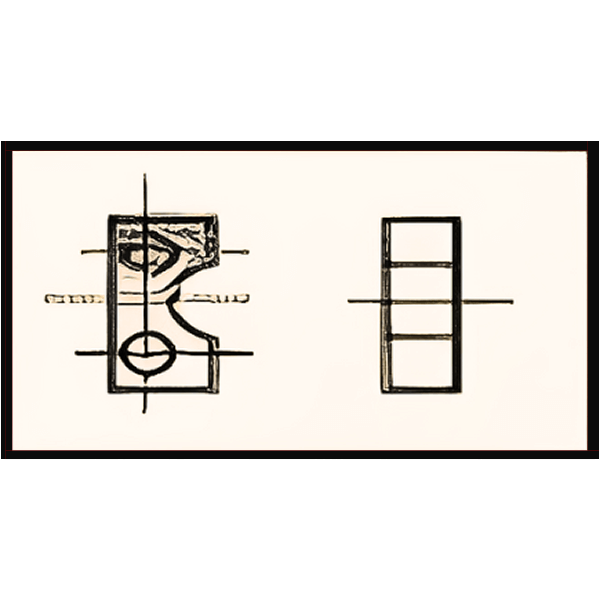
Drawing
Confirmation
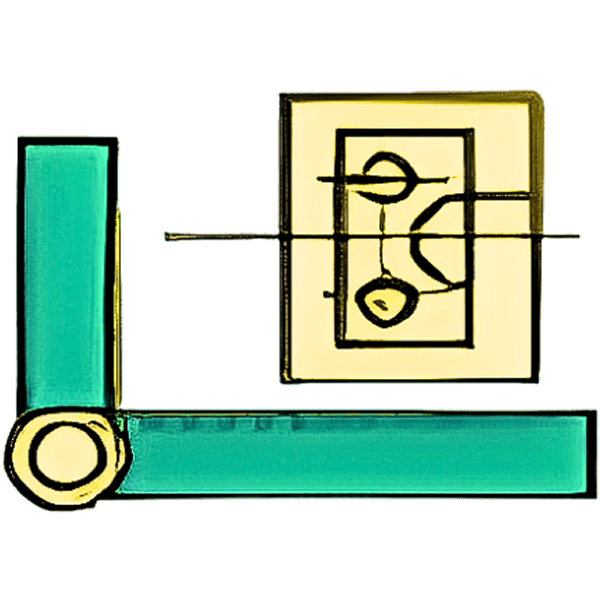
Tooling
Design
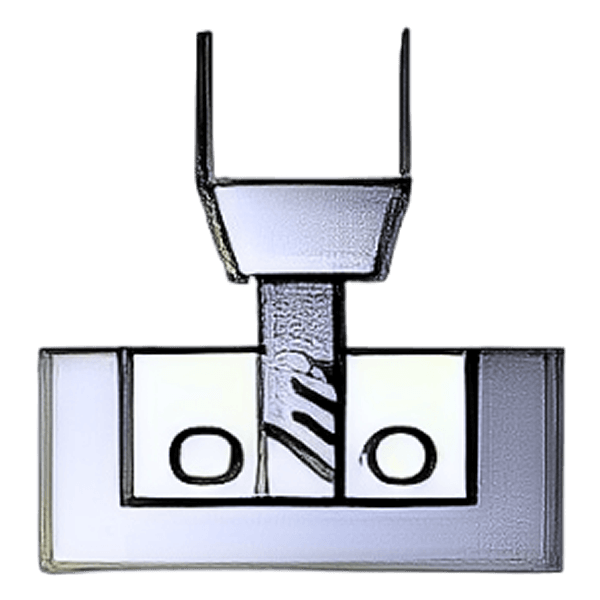
Tooling
Making
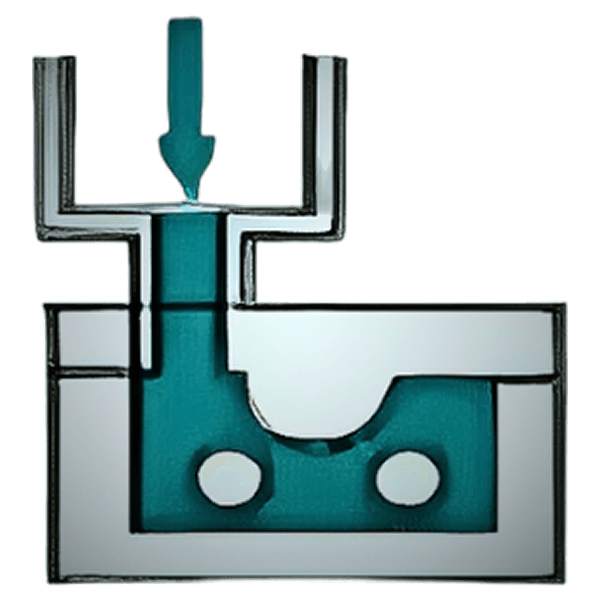
Wax
Injection
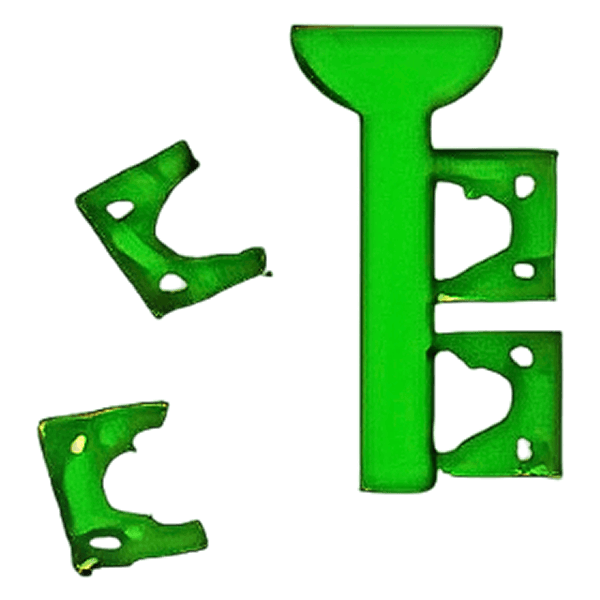
Clusters
Assembly
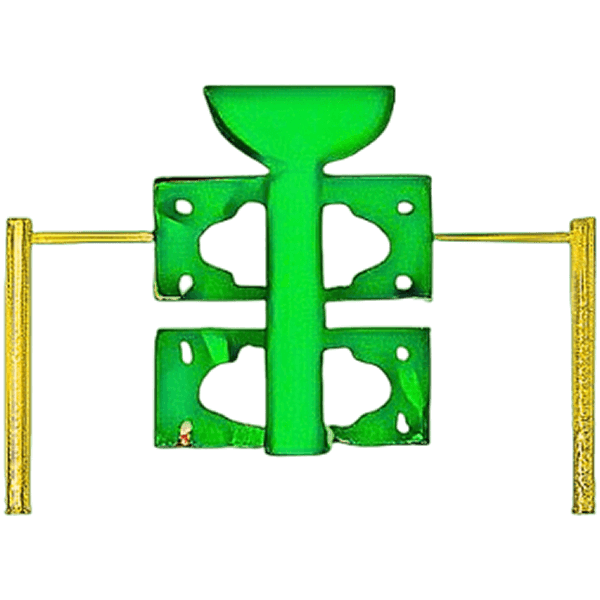
Slurry
Coating
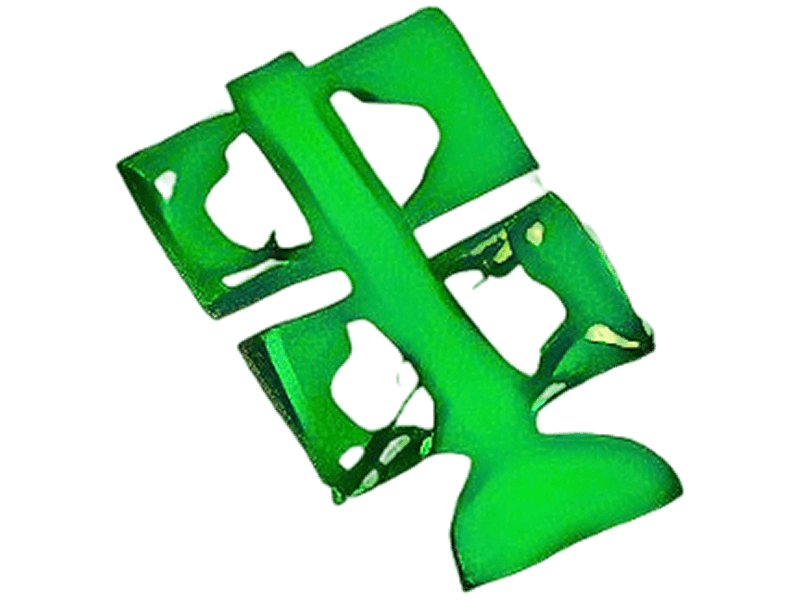
Stuccoing
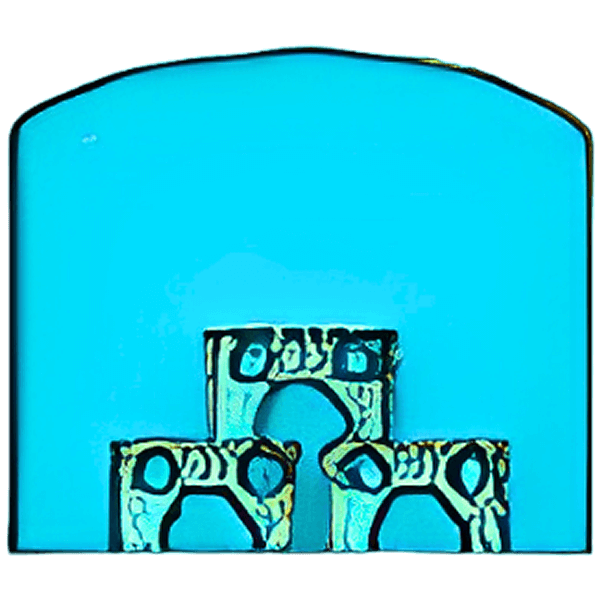
Shot
Blasting
Gate
Grinding
Cutting
Off
Knockout
Casting

Baking
Dewaxing
Heat
Treatment
Inspection & Straightening
Special Inspection
Machining & Assembling

Surface Treatment
Final
Inspection

Packing & Shipping
What is The Tolerance of Castings
The general casting tolerance means that after the casting of various metal castings, the measured value of the part must be regarded as an acceptable limit value. Therefore, the precise size of a casting requires a more accurate and strict tolerance.
Investment Castings Tolerances Specified By an International Standard: VDG P690
| Nominal Size mm | D1 Tolerance (General Dimensions) | D2 Tolerance (Some Functional Dimensions) |
|---|---|---|
| to 6 | ± 0.15 | ± 0.12 |
| 6 to 10 | ± 0.18 | ± 0.14 |
| 10 to 18 | ± 0.22 | ± 0.17 |
| 18 to 30 | ± 0.26 | ± 0.20 |
| 30 to 50 | ± 0.40 | ± 0.31 |
| 50 to 80 | ± 0.45 | ± 0.37 |
| 80 to 120 | ± 0.55 | ± 0.44 |
| 120 to 180 | ± 0.80 | ± 0.65 |
| 180 to 250 | ± 1.20 | ± 0.95 |
| 250 to 315 | ± 1.30 | ± 1.10 |
| 315 to 400 | ± 1.80 | ± 1.40 |
Tolerances for Straihtness, Flatness, Paralllelity, Shape
| Precision Class | Length of The Tolerated Element | ||
|---|---|---|---|
| to 25 mm | 25 to 50 mm | Up to 50 mm | |
| Allowed Difference | |||
| D1 | 0.15 mm | 0.25 mm | 0.6% |
| D2 | 0.10 mm | 0.20 mm | 0.4% |
Tolerances for Angle Values & Right Angles
| Precision Class | Nominal Dimensions | |||
|---|---|---|---|---|
| to 30 mm | 30 to 100 mm | 100 to 200 mm | Up to 200 mm | |
| D1 | Allowed Deviation | |||
| Minute Degree | 30 | 30 | 30 | 20 |
| mm / 100 mm | 0.87 | 0.87 | 0.87 | 0.58 |
| D2 | Allowed Deviation | |||
| Minute Degree | 30 | 20 | 15 | 15 |
| mm / 100 mm | 0.87 | 0.58 | 0.44 | 0.44 |
Surface Quality According to ISO R 468, DIN 4769 & VSM 10321
| RA | RZ | Rt | |
|---|---|---|---|
| N9 | 6.3 | 23-32 | 25-38 |
In an effort to enhance our investment casting services and provide our customers with completed products, Fetta Lost Wax Casting (M) Sdn Bhd, well-known as the leading ISO certified casting company in Malaysia, offers more than just the production of casting blanks, but also a range of value-added services as detailed below:
CAD Prototyping
Rapid prototyping uses 3D computer-aided design (CAD) and manufacturing processes to quickly develop 3D parts or assemblies for research and development or product testing.
We even use Altair Inspire Cast for advanced casting simulation to optimize tooling design and production processes. This software can simulate metal flow and solidification processes to predict casting defects and provide useful information for tooling design.
In-House Tooling
Investment casting tooling, commonly referred to as wax pattern tooling, is a crucial component for all investment castings.
At Fetta, we have a skilled team of in-house toolmakers who collaborate closely with our engineers and inspectors to ensure precise adherence to specifications. Our teamwork often involves on-site meetings right in the tool room, facilitating effective communication and swift problem-solving.
This approach can significantly help in reducing the risk of expensive rework, as a single iteration of the tool can typically span anywhere from 3 to 5 weeks.
Machining
Machining is a crucial process employed to cut and manipulate raw material, particularly investment casting blanks, into precise and intricate shapes, resulting in the creation of finished products.
At Fetta, we specialize in providing comprehensive machining solutions, including both conventional and Computer Numerical Control (CNC) services, to offer the following machining processes:
- Lathe Turning
- Milling with up to 5-axis CNC capabilities
- Grinding, catering to surface, OD (Outer Diameter), and ID (Inner Diameter) grinding requirements
- Broaching, for creating specialized cuts and shapes
- Wire & Die Sink Electrical Discharge Machining (EDM) for intricate designs
- Threading, encompassing single point and grind techniques
- Drilling, reaming, and tapping to accommodate various hole-making needs
With these diverse machining capabilities, we ensure the utmost precision in creating machined investment castings for unique and high-quality finished products.
Heat Treatment
To optimize the casting process and achieve the desired outcomes, it is sometimes necessary to modify the physical properties of metal alloys used in our foundry. This can be accomplished through heating and cooling procedures, commonly known as heat treating or quenching.
By subjecting the alloys to specific temperature ranges and controlled cooling rates, we can either soften or harden the materials, enhancing their strength and machinability for subsequent processing.
Precise temperature control and appropriate time duration during the heat-treating process are crucial to ensure the alloy's properties are accurately adjusted to meet the required specifications.
Additionally, this treatment can also improve the finishing machining tolerances of the castings, resulting in higher-quality products.
Quality is in the first place for every enterprise. High and consistent quality lead to good reputation. Since business is built on trust, good reputation helps us to earn trust from our new clients in the very beginning. Therefore, quality control is one of the most important processes in running a business. We have built a system to guarantee the quality of products before delivery. First, our FTY has achieved the certification of ISO9001 and TS16949. Second, the production field is organized by 5S management system. Third, the production process is monitored by Potential Failure Mode and Effects Analysis. Fourth, we own self-testing equipments including spectrometer, trilinear coordinates measuring instrument, tension tester, hardness tester, surface roughness measuring instrument and magnetic defect detector.Material analysis
Material analysis is conducted by spectrometer to examine the chemical composition of steel. A spectrometer is an instrument for studying the spectrum of light and determining the composition of materials by means of that spectrum. The spectrometer will be connected with computer to present and store the results of the composition analysis so that information is always available. Proper archiving of this information ensures the traceability of your product. Through the material analysis, we can make sure that the product consist of right elements with accurate ratio, which is critical to the performance of products.
Hardness Testing
Hardness is defined as the resistance of the permanent mechanical deformation, which is one of metallic properties. We use modern, automated hardness testers to test the hardness of your product, through methods such as Rockwell hardness, Brinell hardness, Vickers hardness, knoop hardness, case depth hardness in different dimensions.
Hardness testing is used for two general properties. First is the material property: a. test to check material; b. test harden ability; c. test to confirm process; d. test to predict Tensile strength. Second is the functional property: a. test to confirm functions as designed; b. wear resistance; c. toughness; d.resistance to impact. The method of hardness testing is selected according to the properties of products or customer’s requirements.
Mechanical Testing
Mechanical testing is conducted to test various mechanical properties of materials including strength, hardness, ductility, toughness, brittleness, etc. There are several types of tests such as strength testing, proof load testing, embrittlement testing, hardness testing, impact (toughness) testing, weld fracture testing, ductility testing. The accurate results of these tests are used to determine suitability of materials for the field application. For the investment casting products, mechanical testing as a self-inspection ensures that the production meet the client's specific requirements.
Magnetic Particle Inspection
Magnetic particle inspection (MPI) is one of non-destructive testing (NDT) methods used to detect cracks at the surface of ferromagnetic materials such as steels and nickel-based alloys. The test method process is quick and simple in principle and application. It begins with the magnetization of the component. Then the surface is coated with small magnetic particles, which is usually a dry or wet suspension of iron filings. Surface cracks or corrosion pits create a flux leakage field in the magnetized component. The magnetic particles are attracted to the flux leakage and thereby cluster at the crack. This cluster of particles is easier to notice than the actual crack, and this is the basic principle of magnetic particle inspection.
Magnetic particle inspection is used to ensure that there are no defects on the investment casting products such as cracks, seams, inclusions, porosity and so on. Compared with other NDT methods, MPI is easy, quick and cheap to conduct because the environment is not limited. Investment casting products with defects tested by MPI will not be delivered to our customers.
X-Ray Testing
X-Ray testing is the one of the best nondestructive inspection methods for detecting internal defects of castings.
In this method, the tested product is exposed under x-ray radiation. Parts of the radiation are absorbed by the product, and the remaining portion of the radiation exposes the radiographic film. Dense material withstands the radiation penetration, so the film is exposed to a lesser degree in those areas, giving the film a lighter appearance. Less dense materials allow more penetration and correlates to darker areas on the film. Any hole, crack or inclusion that is less dense than the casting alloy is revealed as a dark area. X-Ray testing is able to find internal defects of investment casting product including gas porosity and gas holes, shrinkage which appears as dendrite/filamentary/ jagged, cracks and so on.
Leak Testing
Leak testing plays an important role in our daily safety, environmental protection and the reliability of production processes and products of our daily lives. It thereby is a very important part of the quality control process. Diligently performed leak testing is thereby one of the key processes that separates a decent manufacturer from a great one. The size of the leak that is unacceptable and the best method to use to detect that leak will be dictated by the application. Basically, we use leak testing to determine whether there is air hole on the surface of casting products, and whether the sealing part will leak.
Ultrasonic Inspection
Ultrasonic nondestructive testing, also known as ultrasonic NDT or simply UT, is a method of characterizing the thickness or internal structure of a test piece through the use of high frequency sound waves. The frequencies, or pitch, used for ultrasonic testing are many times higher than the limit of human hearing, most commonly in the range from 500 KHz to 20 MHz. The time interval between the transmitted ray and reflected ray is recorded by a cathode ray oscilloscope. Any crack or void in the casting results in reflection or some of the sound from the crack which appears as a pip between the two pips representing the thickness of the casting. The depth of the crack from the surface of the casting can be easily calculated from the distance between these pips.
In general, after forging, an ultrasonic testing is required before quenching to see if the part has internal defects. A pre-cast testing is also required after the final heat treatment and finishing. Ultrasonic Inspection is a very useful and versatile NDT method.